
Kaolin Clay : Everything You Need to Know

One of the most common natural minerals used worldwide is kaolin clay. Whether in beauty products or in industrial use, it is present all around us, somewhere or another.
And the best part? It’s known for being :
- Gentle
- Versatile
- Cost-effective
- Safe and eco-friendly
This guide aims to dissect everything you need to know about kaolin clay, including its qualities and advantages, as well as how it can be used in real life.
What is Kaolin Clay?
Let’s start simple.
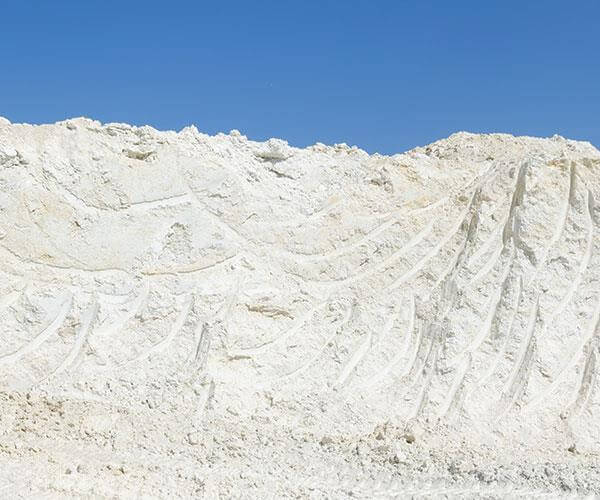
Kaolin clay, or white clay, is a smooth, delicate natural mineral extracted from the decomposition of rocks such as feldspar. It is mostly composed of the mineral kaolinite, which gives it a smooth texture and a white colour.
The processing results in a fine, powdery material that is clean, stable, and convenient to use across various industries.
None of you may know, but kaolin clay is already something in your day-to-day life. It is commonly used in:
- Paper production
- Ceramics
- Construction materials
- Pharmaceuticals
- Skincare and cosmetics
It is so valuable because it can be adjusted to various applications.
What Makes Kaolin Clay So Beneficial?
There is such a peculiar mixture of qualities in kaolin clay. It is not any other mineral, but a useful substance that increases the quality of products in industrial fields.
Some of the main advantages of kaolin clay include:
1. Gentle and Non-Toxic
Kaolin is non-toxic and is also best used in skincare and pharmaceutical products. It does not irritate the skin and cannot be used in sensitive areas.
2. Excellent Absorbency
It takes in oil, water and contaminations. This renders it ideal in use as face masks, powders and even in use in industry.
3. High Stability
Kaolin is heat-resistant, chemical and stress-resistant. This is why it is applicable to the construction materials and ceramics that require high durability.
4. Brightness and Opacity
The natural whiteness of it enhances the looks of the products such as paper, paints, and coatings.
5. Versatility
From cosmetics to construction, kaolin is used across several industries and continues to be utilised.
In other words, kaolin clay is dependable, versatile, and simple to deal with.
Where is Kaolin Clay Used?
The wide range of its uses is one of kaolin clay’s greatest strengths. We shall discuss its application in different industries.
Kaolin Clay in Ceramics
Ceramic manufacturing requires kaolin. It assists in producing such products as tiles, sanitary ware, and porcelain.
Why it works well:
- Enhance lightness and silkiness.
- Enhances print quality
- Will serve as an economical filler.
- Assists in enhancing ink taking.
It proves particularly useful when dealing with high-temperature processes.
Kaolin Clay in the Paper Industry

If you’ve ever used glossy paper or magazines, kaolin likely played a role.
Benefits in paper production:
- Improves brightness and smoothness
- Enhances print quality
- Acts as a cost-effective filler
- Helps with better ink absorption
It provides paper with a smooth business appearance.
Kaolin Clay in Paints and Coatings

Kaolin Clay in Destruction Coating and Paints.
Why it’s important:
- Improves paint consistency
- Increases coverage and opaqueness.
- Provides a smoother finish
- Increases durability
It enables the manufacturers to enhance performance without spending more.
Kaolin Clay in Tiles Industry
Yes, kaolin plays a vital role in tile manufacturing.
Common uses include :
- Acts as a key raw material in ceramic tile bodies (wall & floor tiles)
- Improves strength, durability, and surface finish
- Enhances whiteness and smooth texture in tiles
It has high heat resistance, good plasticity, and low shrinkage, making it ideal for producing high-quality ceramic tiles with consistent shape and finish.
Kaolin Clay in Rubber and Plastics
Kaolin helps balance strength and flexibility in these materials.
Key advantages:
- Improves durability
- Reduces material costs
- Forts up fire and chemical resistance.
- Improves surface finish
It is particularly applicable in the ware that is vulnerable to outdoor environments.
How Does Kaolin Compare to Other Clays?
This is because the selection of suitable clay depends on your purpose. The following is a straightforward comparison to get you to know the position of kaolin:
| Clay Type | Key Features | Common Uses | Why Choose Kaolin? |
| Kaolin | Smooth, stable, non-swelling | Skincare, ceramics, paper | Gentle, versatile, reliable |
| Bentonite | Highly absorbent, swells | Drilling, sealing | Kaolin is milder and less affected. |
| Ball Clay | Sticky and flexible | Pottery, tiles | Kaolin gives better colour and finish |
| Illite | Moderate absorbency | Fillers | Kaolin is finer and more versatile |
Kaolin is usually the best choice when I need a safe, easy-to-work-with, and industry-standard clay.
Why is Kaolin Clay in High Demand?
The use of Kaolin clay continues to increase as industries search for efficient, safe, and sustainable materials.
It is very valuable because it has enhanced the quality of its products at a low cost. As manufacturers’ interest in natural, environmentally friendly, and high-performing materials increases, kaolin is becoming a material choice worldwide.
Final Thoughts
Kaolin clay can be represented as a simple white powder, yet its effects are anything but simple. It is a valuable natural resource, as it enhances the performance of various products and serves multiple industries.
In the manufacturing, construction, and personal care industries, kaolin clay offers a balance of performance, safety, and versatility that is difficult to find.
In case you need a reliable, flexible, and effective material for application, kaolin clay is a good option.

