
Is kaolin the same as clay?

You may have tried to form a ball out of soft mud that was left behind after a heavy rain. You probably already have some knowledge of clay. Earth beneath our feet contains many materials which help us to build, keep clean and create artwork. Kaolin and clay are two of the most valuable materials that can be found underground.
Baked earth is used in many products, including toothpaste, cereals, and other household items. Are all earth types the same? Many people wonder what the difference is between kaolin and clay.
This post will explain what natural dirt is. Learn where these materials come from, what they feel like, and why they are unique. Explore the world of Earth Materials!
What is Clay?
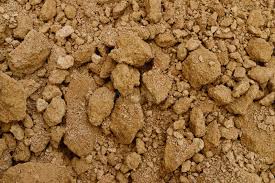
Natural clay is made of tiny pieces of minerals and rock. Clay is formed over thousands or millions of years. The wind, the rain and rivers break huge rocks and mountains into dust. This special dust becomes a sticky, soft paste when it is mixed with water.
We call this soft paste clay. You can squish, bend, or mold the clay into any desired shape when it’s wet. It becomes harder when it dries. When you place dried clay in a very hot oven, called a “kiln”, it becomes a rock-like substance that won’t melt when placed into water.
Clay is found all around the globe. Clay is usually found deep in the soil, or close to rivers and streams. There are many different kinds of clay because there are so many different kinds of rocks. Clay comes in many colors, including red, brown and even green or gray. Colors are usually determined by the mineral content of the soil, such as iron.
What is Kaolin?

In order to understand the debate between kaolin and clay, it is important that we know this secret. Kaolin is a kind of clay. It is, however, a special kind of clay. Some people call it white clay or china clay.
Kaolin is named after a high hill called Kao-Ling in China. This beautiful, white soil was mined hundreds of years ago from this hill. The most stunning, white teacups and plates the world has ever seen were made from this beautiful dirt.
Kaolin, unlike regular red or brown mud is brightly white. The kaolin feels soft, light and almost baby powder-like. The iron content is low, so it does not rust. Kaolin, because it’s so gentle and pure, is among the most precious earth materials that we can extract.
The Main Differences : Kaolin vs Clay
Comparing kaolin to other clays is like comparing sports cars with regular vehicles. Sports cars may be cars but have unique features. Here are the main differences.
Color and Appearance
You can tell the difference by simply looking at each one. Clay can come in almost any colour. A clay with a high iron content will appear deep orange or red. It could look black or dark brown if it contains a large amount of plant matter.
Kaolin can be either a pale yellow or white. It is mainly made up of the mineral kaolinite and does not contain any extra material that can change its colour.
Texture and Feel
It feels heavy and sticky when you contact regular clay. It is easy to roll into a snake-like shape. It is very “plastic”, or stretchable.
Kaolin is not as elastic. The kaolin is less sticky, and it feels more powdery. You may find that if you bend wet kaolin it will crack more quickly than brown mud.
How They Handle Heat
Heat changes things when we bake in a huge oven. If the temperature of an oven is too high, earthen materials can melt and turn to glass.
Kaolin can handle heat like a champ. It will remain strong even if you put it in a very hot oven. It is perfect to create items which need hot soup or tea without breaking.
How Do We Use Regular Clay?
Since thousands of years, people have been using the sticky mud that rivers produce to construct things. The mud is easy to locate, cheap, and strong. These are the ways that we use it most often.
Building Homes and Buildings
Ever seen a house made of red bricks? These bricks were made from blocks of red clay, which people then baked in an over. Iron in the soil gives it its famous red colour. Bricks keep homes warm during the winter, and cool during the summer. This material is also used to create heavy roof tiles.
Making Everyday Pottery
Artists use ordinary clay to create heavy, thick flowerpots and bowls. The clay is easy to use on a pottery wheel. Beginners love it because it is so stretchy. This kind was probably used in art classes at school.
How Do We Use Kaolin?
We use kaolin for many different purposes because it is pure, white and soft. This special white dirt could be hiding in unexpected places around your house.
Making Paper Smooth and Brigh
You may not have known that your notebook contains dirt. You may laugh, but this is actually true. Paper is made by mixing tiny particles of kaolin with paper. This fills the small gaps in between wood fibres. The paper is now super-smooth, white and ideal for using a pencil or pen.
Creating Fine Ceramics
Do you remember the tale about the hill of China? This white material is still used today for fancy plates, teacups and bathroom sinks. Porcelain is created by mixing it with other materials, and baking them at high temperatures. Porcelain looks bright, clean, and is very thin.
Which One is Better?
When we compare kaolin and clay, it is not clear who wins. It always depends what you have to do.
Regular sticky clay will work best for building a large brick wall, or making a pot that is heavy and sturdy to use in your garden. The clay is heavy and strong. It’s also easy to work with.
If you need to create a white piece of paper that is smooth, gently wash your face, or use a white cup for drinking tea, kaolin will be the best choice. The bright colour and smooth texture makes it ideal for delicate tasks.
For industries and businesses looking to source reliable raw materials, choosing the right supplier is just as important as selecting the right type of clay. If you’re searching for premium kaolin explore, Shree Ram Kaolin is known for delivering high-quality, refined kaolin that meets the needs of ceramics, paper, and industrial applications, ensuring consistent performance and superior results.
Conclusion
Kaolin and clay may come from the same natural origins, but they serve very different purposes. While all kaolin is a type of clay, not all clay can match the purity, whiteness, and heat resistance of kaolin. Regular clay is perfect for heavy-duty uses like construction and pottery, whereas kaolin is ideal for refined applications such as paper, ceramics, and personal care products.
Understanding these differences helps you choose the right material for the right job. Whether you need strength and flexibility or smoothness and purity, both materials play an important role in our daily lives and industries.

