
How Is Silica Sand Used in Making Glass? A Complete Guide
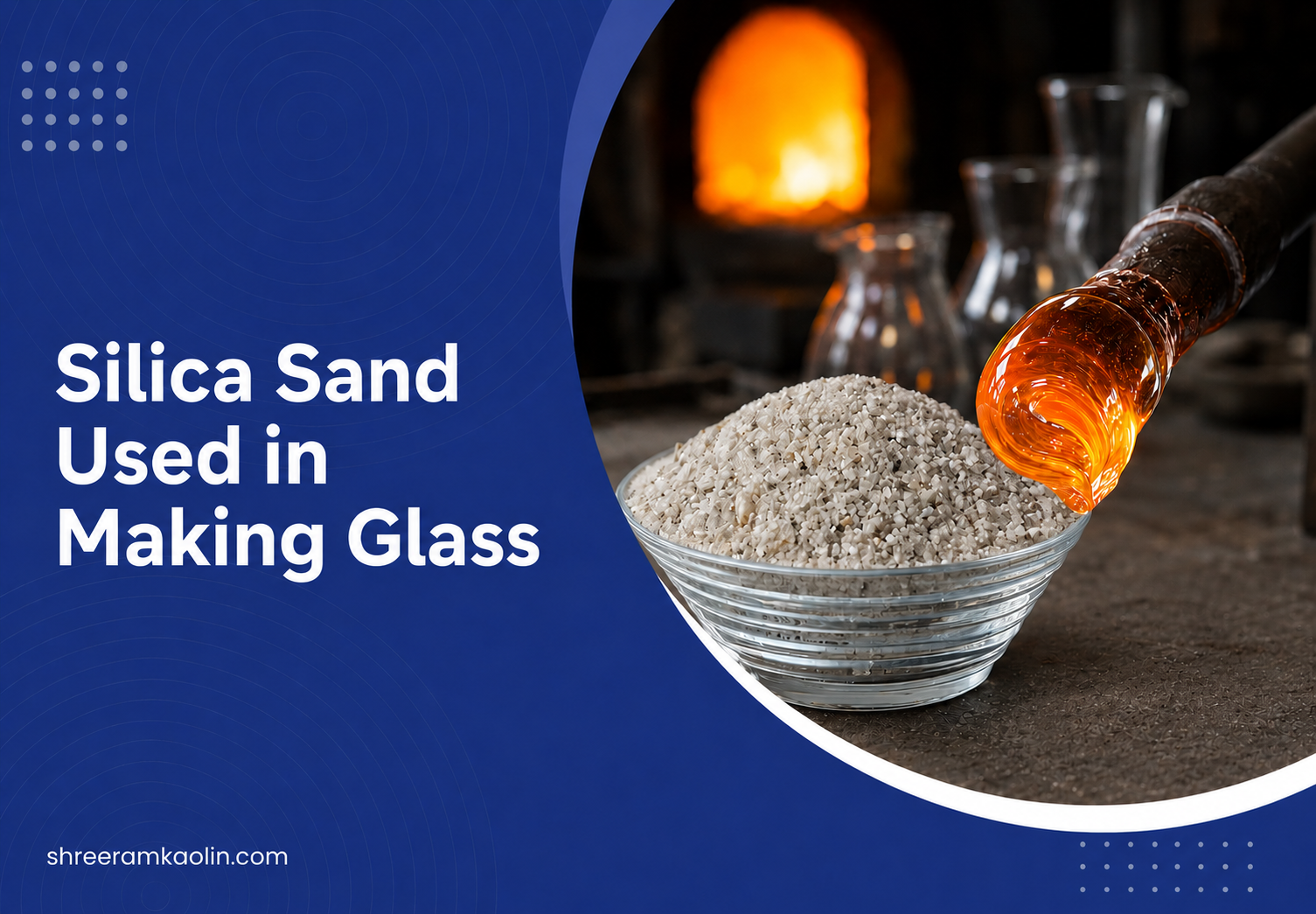
It is a primary source of raw materials for glass. The compound silicon dioxide (SiO2) is the main raw material for glass. Silica sand is heated up to 1,700degC to fuse with other minerals.
There is glass everywhere. Glass is everywhere. It can be found in windows, phone screens, drinking glasses, even fiber optic cables which carry internet signals over continents. Most people are unaware that silica is the main ingredient in almost all types of glass.
The guide will explain what silica is and why it’s so important for the glassmaking process. It also explains how raw sand can be transformed into the strong, clear material that you use on a daily basis. This guide is for students, curious readers, and people who are evaluating suppliers of raw materials. It provides practical, simple answers.
Silica Sand: What is it and why does it matter for glass production?
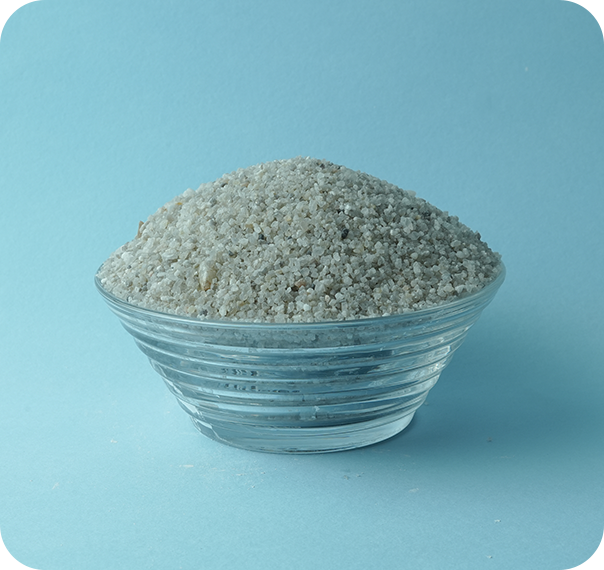
All sand is not the same. Sand on the beach contains a variety of minerals, including quartz, feldspar and shell fragments. Silica sand, however, is a different material. Silica sand is almost exclusively silicon dioxide (SiO2). It has a high purity of at least 95% for industrial purposes.
The chemical component of glass is silicon dioxide. Silica melts when heated to high temperatures. The silicon and oxygen rearrange themselves into an unstructured non-crystalline form. This structure gives glass the key characteristics of transparency, hardness and chemical resistance.
From Where does Silica Sand come?
Silica sand is formed over many millions of years by the weathering and erosion of rocks containing quartz. Silica sand is found on all continents because quartz is the most abundant mineral on Earth. The United States, Australia Germany and the Netherlands are major producing areas.
Silica sand quality varies depending on the deposit. The glass industry looks for silica sand that:
- High siO2 content (typically 99% for clear glass)
- Low levels of iron oxide– Iron gives the glass a brown or green tint
- A consistent grain size affects the way the sand melts.
- Other contaminants at low levels, including calcium, titanium dioxide, and alumina
Prior to reaching a glass furnace silica is processed. This may involve washing, screening and chemical treatments.
Silica Sand is Turned into Glass. How to Break Glass Down into Steps
Step 1. Raw Material Selection and Batching
Glassmaking begins long before any glass is placed in a furnace. The glassmaking process begins long before the first ember is lit. Manufacturers measure out and carefully mix materials like fluxes, stabilizers, and silica to make a batch. It depends on what type of glass is being produced to determine the exact formula.
Additions that are common include:
- Soda Ash (sodium Carbonate) Lowers melting point of silica, which reduces energy costs
- Calcium carbonate (limestone)– Improves durability and chemical resistance in the final glass
- Dolomite — adds magnesium to further strengthen the glass
- Cullet – recycled glass that is easily melted and reduces energy consumption
It is important to get the right batch. A mix that is not in the right ratio can lead to defects which may affect the safety or quality of the final product.
Step 2 – Melting the metal in the furnace
In a large industrial oven, temperatures range between 2,552degF and 2,912degF. The silica and other materials are melted together at these temperatures to form molten, a liquid, thick substance.
Glass furnaces are now designed to run 24 hours per day and 7 days per week. This is because it’s expensive to stop and restart the melting process and damaging the furnace. One large glass furnace can melt hundreds of tonnes of glass each day.
Step 3: Shape and form
There are several ways to shape molten glass depending on its product.
- The float process is used to make flat glass, such as windows and mirrors. Melted glass is poured onto a bath molten metal, which spreads out to form a flat, smooth sheet.
- Blown is used to make bottles and other containers. The glass is expanded by blowing air into the molten glob.
- Pressing is used to make items such as optical lenses or glass bricks. Glass is forced into a mould by mechanical pressure.
- Drawing is used to draw glass rods and tubes. As the glass cools, it is shaped into thin and long shapes.
Temperature, timing and the flow of materials are all important factors to consider.
Step 4: Annoying and cooling
If left unattended, hot glass will cool unevenly. This creates stress inside the glass and can cause it to crack. In order to fix the problem, freshly formed glass is passed through an oven that cools it at a controlled rate. This is called an “annealing larr”. This lehr reduces glass temperature slowly over a period of time, which allows stress to be released gradually.
It is well-known that rushing or skipping the annealing process can lead to product failure. Glass that has been annealed properly is stronger and more resistant to breaking during transport or use.
Step 5: Inspection and Finishing
Inspection is performed on all glass before it leaves the factory. The automated systems check for cracks, bubbles, inclusions and dimension inconsistencies. The products that are outside of tolerances are removed, and if possible recycled as cullet.
Depending on what the finished product is intended to be used for, finishing steps can include coating, tempering or laminating.
Which types of glass rely on silica sand?
The use of silica sand is common in almost all categories of glass manufacturing. Some of the more common ones include:
Flat Glass is used for windows, automobile windshields and architectural facades. Flat glass contains 70-74% of silica by weight.
Container Glass– Bottles, Jars and Food Packaging Container glass is often made from recycled glass, or cullet. This can be as high as 70%.
Fiberglass is used for insulation and composite material. To produce flexible, fine strands of fiberglass, silica must have very specific chemical characteristics.
Optical glass is used for lenses, prisms and other scientific instruments. The highest quality silica is required for this category, and iron oxide content should be below 0.01%.
Specialty Glass includes low expansion glass and electronic glass. Each type has a customized batch composition.
Can Silica Sand be used for long-term glass production?
There is a lot of silica sand. The global reserves of sand are vast compared to the current demand. Sand can also be obtained from different regions and deposits.
However, both extraction and processing have environmental impacts. Sand mining may affect the local water table, ecosystems and stability of land. Reclamation programs, recycling of water, and regulation on extraction limits are ways that responsible producers mitigate these risks.
The glass industry, on the production side has reduced its carbon footprint in a measurable way:
- The use of cullet reduces energy demand and the raw sand requirement
- The modern furnace is more efficient than the older models
- In order to reduce the carbon dioxide emissions, some facilities have switched to electric or hydrogen heating.
The environmental impact of the oil and gas industry is not eliminated by these changes, but it does reduce over time.
Silica Sand, the Quiet Foundation of Every Glass Product
It looks like glass. Glass is clear, smooth and invisible until you see it all around. This simplicity hides a highly controlled production process, which starts with a single key ingredient: silica.
If the product is to meet specifications, it all depends on the quality of the sand and how precisely the batches are made, as well as the temperature of the furnace. Every step has real implications for the following. This process will help you to make more informed decisions, whether you are evaluating your suppliers or sourcing materials.
For high-quality raw materials for glass manufacturing, choosing the right silica sand is essential. From purity and consistent grain size to low iron content, the quality of silica directly influences the clarity, strength, and performance of the finished glass. Shree Ram Kaolin’s premium quality silica sand offers a reliable solution for industries seeking quality silica sand for glass production and other industrial applications. Explore the product specifications and connect with the team to find the right silica sand for your manufacturing requirements.
.
FAQs
How much of the glass that is produced from silica?
The majority of common types of glass contain silica between 70-74% by weight. Other additives such as soda ash and limestone make up the remaining portion.
What type of sand can be used for making glass?
No. No. To produce consistent glass, manufacturers use silica sand that is high in purity (typically 95% or more SiO2).
What causes some glasses to appear blue or green?
Iron oxide in silica is often responsible for the color. Iron oxide produces blue-green, whereas ferrous iron creates a yellow brown tint. To minimize the effect, ultra-clear glasses use silica with a very low iron content.
At what temperature does silica-sand melt to form glass?
The melting point of pure silicon dioxide is approximately 1,700degC. By adding soda ash or other fluxes, the melting point can be lowered to 1,400-1600degC. This reduces the energy required.
Can recycled glass reduce the use of silica?
The recycled glass (called cullet) melts at lower temperatures than the raw materials in a batch and can reduce the amount of silica required per production. During container glass manufacturing, 60-80% can be cullet.
Does silica-sand harm workers who make glass?
Inhaling fine silica dust for a long time can lead to a lung disease called silicosis. To protect their workers, glass manufacturers must implement dust control, use protective equipment and monitor air quality. This risk can be significantly reduced by properly managing facilities.

