
Using Kaolin Clay in Pottery and Ceramics: Techniques and Applications

The fine clay is used in ceramics and pottery. The distinctive whiteness of the clay, its smooth texture and ability to withstand high temperatures make it a useful material for both functional and decorative ceramics. Kaolin is an essential material in ceramics and porcelain, from traditional porcelain to modern ceramic art.
The guide explains the characteristics of Kaolin Clay, how to use it in pottery, what ceramics can be used for, and gives practical advice on getting the best results.
Understanding Kaolin Clay
What Is Kaolin Clay?
The mineral kaolinnite is the main component of kaolin clay. The fine particles, the light color, its purity and its ability to resist high temperatures are all characteristics that make it widely recognized. It is particularly suitable for porcelain, ceramic formulations and glazes.
Properties of Kaolin Clay
Kaolin’s fine, smooth texture is one of its main benefits. It can be used to create a workable body of clay and give it a bright, clean fired look when combined with other ceramics. The high temperature stability makes it a valuable material for ceramics requiring strong firing performances.
The Historical Significance of Kaolin Clay
Kaolin’s fine, smooth texture is one of its main benefits. It can be used to create a workable body of clay and give it a bright, clean fired look when combined with other ceramics. The high temperature stability makes it a valuable material for ceramics requiring strong firing performances.
Techniques for Using Kaolin Clay in Pottery
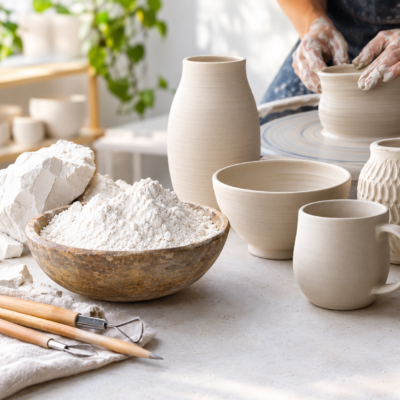
Preparing Kaolin Clay for Use
It is essential to prepare kaolin properly before adding it into ceramics. It may need to be processed or blended with ceramics. By removing unwanted particles, you can achieve smoother results and better predictability.
Throwing Techniques for Kaolin Clay
On the wheel, you can create other shapes, such as bowls, cups and vases. Beginners should be careful when handling fine clay. They must avoid over-pressuring thin walls and work slowly. Maintaining the shape during throw-out is also improved by maintaining moisture.
Hand-Building Techniques with Kaolin Clay
Hand-building can be done with kaolin clay. Artists can create sculptures and unique shapes using techniques such as slab building, coil-building, or pinching pottery. They are particularly useful for creating pieces with texture, uniqueness, and fine details.
Applications of Kaolin Clay in Ceramics
Glazing with Kaolin Clay
In ceramic glazes, kaolin is often included. Kaolin can affect the consistency of the glaze, its surface properties, color response and durability. It depends on both the glaze and firing condition.
Slip Casting with Kaolin Clay
In slip casting, liquid clay is poured into the mould. Kaolin, which has fine particles, can be used in the formulation of casting slips. This allows manufacturers and potters to produce detailed shapes consistently.
Sculpting with Kaolin Clay
Kaolin’s smoothness makes it ideal for ceramic work. Artists who use materials containing kaolin can create delicate surfaces, fine textures and forms that are difficult with other clays.
The Role of Kaolin Clay in Ceramic Art
Kaolin Clay as Contemporary Ceramic Art
Kaolin is still being explored by modern ceramicists in traditional as well as experimental methods. The light color of kaolin provides an ideal surface for decorative carvings, glazing, painting and other techniques.
Kaolin Clay Inspirational Work
Kaolin is a versatile material that has enabled ceramicists to create everything from fine porcelain vessels, to intricate sculptures. The material’s flexibility allows it to be used for both simple designs as well as elaborate artwork.
Tips for Working with Kaolin Clay
Managing the Drying Process
To reduce cracks or warping, drying should be done slowly and evenly. Freshly made items should not be exposed to high heats or sudden changes in humidity. Allowing the pieces to slowly dry and cover them loosely can maintain their form.
Firing Techniques for Kaolin Clay
The firing requirements are determined by the clay or ceramic composition. High-temperature firing is often associated with materials containing kaolin, but it’s important to always consider the specifications of the ceramic formulation and manufacturer.
Safety Considerations When Working with Kaolin Clay
Inhalation of clay dust is not recommended. Use appropriate respiration protection while handling powders, keep the work area well-ventilated, and avoid generating unnecessary dust. It is better to use wet cleaning methods than to blow dry clay dust in the air.
Explore Kaolin Solutions from Shree Ram Kaolin
For high-quality kaolin clay for pottery and ceramic applications, Shree Ram Kaolin offers reliable kaolin products designed to support consistent quality, smooth processing, and excellent ceramic performance. Explore their range to find the right kaolin solution for your application.
Conclusion
Kaolin clay is a popular material for ceramics and pottery because it has a fine texture and light color. It also holds up well to high temperatures. Artists and manufacturers have a lot of flexibility when using kaolin clay. It can be used for wheel-throwing, hand building, slipcasting, glazing, or sculpture. To achieve consistent, attractive ceramics, it is important to understand how to shape, dry and fire materials containing kaolin.
Frequently Asked Questions (FAQs)
How Does Kaolin Clay Differ from Other Types of Clay?
Kaolin’s purity and its light color are particularly notable. Kaolin is often associated with porcelain, but can also behave differently than ball clay, stoneware or earthenware.
Can Kaolin Clay Be Used for Functional Pottery?
Yes. Yes. Kaolin is used to make functional pottery. It’s often mixed with other materials for the desired plasticity, strength and firing properties.
How Do You Prevent Cracking in Kaolin Clay Pieces?
Follow the firing schedule recommended. Avoid sudden temperature fluctuations.
What Are the Firing Temperatures for Kaolin Clay?
The temperature at which a kaolin product is fired varies. The temperature that is appropriate depends on both the ceramic formulation and its intended application. Some ceramics based on kaolin are often fired at temperatures close to porcelain.
Are There Any Health Concerns Associated with Using Kaolin Clay?
Airborne dust is the main problem when working with dry kaolin. Reduce exposure by using protective gear, good ventilation and housekeeping.

