
China Clay vs EPK: Key Differences, Properties and Applications

Ever wonder why certain paper is glossy and brilliant? Or why a coffee mug is so smooth? Often the key is a certain kind of soft, white clay. Two of the most famous clays in the world are china clay and EPK. They’re not precisely the same, but they look similarly.
China Clay vs EPK, Essential Differences, Properties and Uses: In this essay, we will discuss the You’ll learn about the many types of clay, how they work, where they are found and how they are used to produce paint, paper, pottery and other things. Let’s get started!
What Is China Clay?
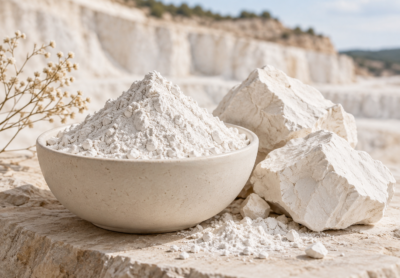
China clay is a white soft clay. It is called Kaolin for real. It is nicknamed “China clay” because long ago it was used in China to make fine porcelain dishes.
This clay is composed mostly of the mineral kaolinite. It forms in the ground when rocks slowly wear down, over millions of years. It has a smooth and almost slick feel to it.
Here are some basic facts regarding china clay:
• It is generally white or off-white.
• It doesn’t shrink much as it dries.
• Can tolerate extremely high temperatures.
• It is utilized everyplace in the globe.
Key takeaway: China clay/kaolin is a soft white clay that is used in ceramics and paper and many common things.
What Is EPK?
Edgar Plastic Kaolin is EPK. That’s a grandiose name, but it’s merely a specific kind of kaolin clay. It is from a town named Edgar in Florida, in the United States.
EPK is a kind of china clay. So, all EPK is kaolin, but not all kaolin is EPK. Imagine it this way: “dog” is a huge group, and “poodle” is one sort of dog. EPK is the poodle of the kaolin clays.
Here’s why people adore EPK:
- Very sticky and easily shaped.
- Miscible in water.
- It is a popular for ceramic glazes.
- It remains clean and white after firing
In EPK the term “plastic” does not denote the plastic in toys. In clay discussion, plastic indicates that the clay is pliable and can be easily bent and shaped.
The Bottom Line: EPK is a unique sticky kaolin clay from Florida that potters really love to use.
China Clay vs EPK: Key Differences
Now for the big one. EPK is a kind of kaolin, so what is the difference between China clay and EPK? They vary only in their origin and in their behavior.
Where They Come From
Kaolin, sometimes called china clay, is mined across the globe. It’s available in China, England, Brazil and others. EPK is from one primary spot: Edgar, Florida.
How Sticky They Are
EPK is more plastic, meaning that it is stickier and simpler to shape. Other china clays are less plastic. That is why potters commonly use EPK when they desire a smooth easy-to-shape clay.
Color and Purity
Both clays are white in color. However, the precise hue may vary depending on where they’re mined. EPK is noted for its ability to remain beautiful, white and clean after being fired in a hot kiln.
Size of the Tiny Bits
All clay consists of small particles that you can not see. The size of these pieces controls how the clay behaves. EPK is a blend of particle sizes which gives it strength and workability.
Here is a simple table to compare them:
| Feature | China Clay (Kaolin) | EPK |
| Full name | Kaolin | Edgar Plastic Kaolin |
| Where it’s from | Many countries | Edgar, Florida |
| Stickiness | Low to medium | High (very plastic) |
| Main color | White | White |
| Common use | Paper, paint, pottery | Pottery, glazes |
Bottom line: EPK is a stickier, shapeable kind of kaolin from Florida. China clay is a larger category mined all over the planet.
Properties of China Clay and EPK
Both clays have many of the same beneficial qualities. This is because EPK belongs to the kaolin family. What makes these clays so special? Let’s find out.
Heat Resistance
Both of these clays are very heat resistant and will not melt or shatter. That is why they are good for pottery that goes in a hot oven called a kiln.
Smooth and Fine
The particles of these clays are very fine and silky. This softens them and helps them distribute evenly in paint and paper.”
White Color
The clays are both white in their native state. White foundation is cool because colors seem bright and clean.
Chemically Calm
These clays are not very reactive with other substances. This implies that they are safe and stable when blended with other materials.
Top tip: China clay and EPK are both heat resistant, smooth, white and sturdy therefore are very handy.
Common Applications and Uses
Now let’s observe where these clays appear in reality. You’ll be astonished how many times you touch them in a day!
Pottery and Ceramics
This is the EPK’s sweet spot. EPK is added to their glazes and clay by potters. It helps the clay hold together, and after burning it makes pots smooth and glossy. China clay is also used in making porcelain, tiles and dishes.
Paper
Have you ever noticed how certain pages of magazines are sparkling and bright? Paper frequently has China clay added to it. It fills in little crevices, makes the paper smooth, and helps ink seem crisp.
Paint
China clay is added to paint to make it thicker and help it spread evenly. It also helps the color seem richer without being too expensive.
Rubber
Rubber goods, such as tires and hoses, may include china clay. The clay toughens the rubber and allows it to last longer.
Other Industries
China clay pops up in even more places:
- Toothpaste, to help clean teeth gently.
- Makeup, to soak up oil and feel smooth.
- Medicine, to help with upset stomachs.
- Plastics, to make them stronger.
Bottom line: Use China clay for paper, paint, rubber and household products, whereas EPK is the best choice for pottery and glazes
Benefits and Limits
Every substance has its advantages and disadvantages. Here is a decent view of both the clays.
Benefits
- Cheap and simple to get. Kaolin is mined in vast quantities, thus it doesn’t cost too much.
- Gentle and safe. It is safe if you use it appropriately since it is used in toothpaste and medication.
- Highly flexible. You find it in a lot of things, from mugs to magazines.
- Robust when shot. The pottery is so robust and durable.
Limits
- Not just a strong clay. Potters typically blend it with other clays to increase its strength.
- May crack if dried too rapidly. All clay has to be dried slowly and carefully.
- EPK is less prevalent outside the US. It may cost more further out since it is from Florida.
Key takeaway: Both clays are inexpensive, safe and adaptable yet they typically function best when combined
Explore Quality China Clay from Shree Ram Kaolin
For high-quality China clay for ceramics, pottery, paints, paper, plastics, and other industrial applications, Shree Ram Kaolin offers reliable kaolin products designed to support consistent quality, smooth processing, excellent whiteness, and dependable performance. Explore their China clay solutions to find the right product for your specific application.
Conclusion
So now you know the complete tale of China Clay versus EPK: Key Differences, Properties and Applications. China clay, or kaolin, is a soft white clay found all over the globe and used to make paper, paint, rubber and ceramics. Potters adore EPK – a very sticky kind of Florida kaolin for shaping and glazing.
Both clays are white, heat-safe and smooth. They are inexpensive, helpful and, when used properly, safe. Main difference is EPK is stickier and simpler to form . China clay covers a broader set of applications .
Next time you grab a coffee mug or leaf through a glossy magazine, think about the simple clay that helped produce it. If you like crafts try grabbing some EPK for your next ceramic project and discover how simple it is to shape!

