
Frac Sand vs Silica Sand: What’s the Difference?
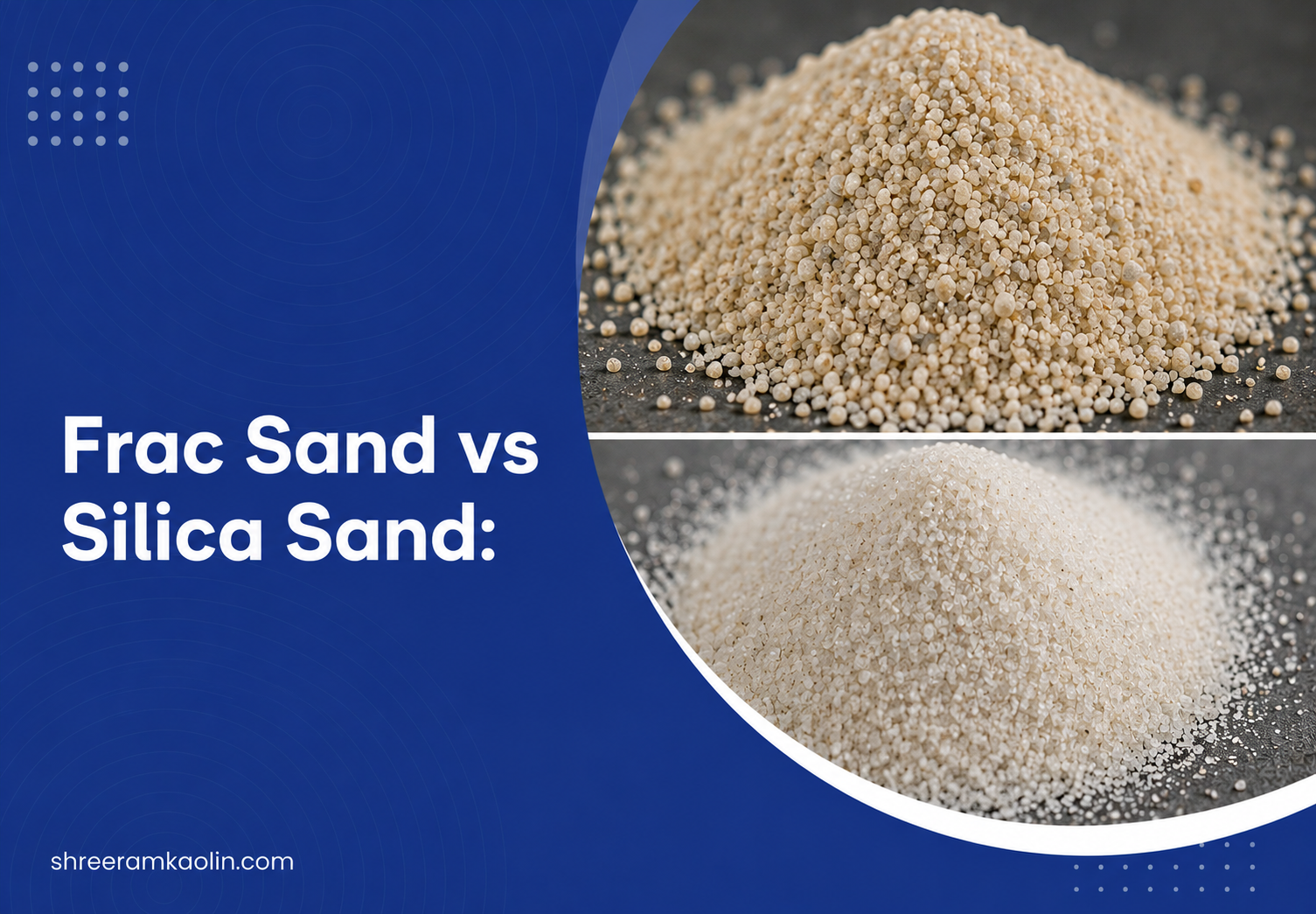
Both silica and frac sand contain silicon dioxide but serve different purposes. The high-purity frac sand, which is crush resistant and used for oil drilling, has a very different purpose. Silica sand is used in a wide range of industries, including glassmaking and construction. The type of sand you choose depends on the task.
You may have heard “silica” and “frac sand”, used interchangeably. Some people confuse the two. It’s not the same thing, and it matters, particularly if you are in construction or manufacturing, oil and gas industries, etc.
They are both primarily quartz. Both are made from ground. The similarities stop there. They’re completely different in the way they are formed, processed and used. If you use the wrong kind of tool for the job, it will cost you time and money.
The guide explains the differences between frac sand and silica, what they are, why you might need them, and how to choose.
What Is Silica Sand?

The most prevalent type of sand in the world is silica sand. It’s mainly silicon dioxide (SiO2), usually over 95%. It is found on the beaches of rivers, in underground deposits, and even large amounts at deep seabeds.
It is important to note that the term “silica” has a wide range of meanings. The term “silica sand” covers many different sand products, with different shapes and sizes of grains. This variety allows silica to be used by a wide range of industries.
What is silica sand used for?
- Glass manufacturing : Silica Sand is used in the production of flat glass bottles and fiberglass. The glass production process requires silica of very high purity, usually above 95% SiO2.
- Construction – Silica sand is widely used in cement, mortar, and asphalt. In construction applications, purity is less important than the grain size, texture, and strength of the sand.
- Filtration – Water treatment plants filter particles and other impurities using silica sand.
- Foundry Casting— In metal foundries, silica is used to create molds that are then used for the casting of iron, steel and aluminum.
- Sport and Recreation – Golf course sandtraps and synthetic turf filling are often made with processed silica.
- Agriculture — Some silica sand is used to improve soil drainage.
Silica sand is versatile. It adapts to many different industries because it can be processed and graded to meet a wide range of needs.
What Is Frac Sand?

The term ‘frac sand’ is used to describe a particular type of silica. However, not all silica qualifies for this classification. Named after “hydraulic fracture” or “fracking”, which is used to extract natural gas and oil from underground rock formations.
Fracking is a process in which drillers inject sand, water and chemicals at high pressure into the earth. Pressure cracks the rock. Sand grains are pushed in to these cracks, and they hold them like small doorstops. The sand grains allow oil and gas flow and collect at the surface. Proppant is the sand used to do this.
Sand must be able to withstand enormous pressures without being crushed. This is the main requirement which sets apart frac sand from silica-based sand.
What makes sand qualify as frac sand?
The American Petroleum Institute (API) has strict requirements for frac sand. The API standards include:
- Purity — The frac sand should contain at least 95% silicon dioxide. The high level of purity minimizes chemical reactions in the underground.
- Roundness and sphericity — Grain must be smooth and round. The API requires that round grains have a Krumbein score of 0.6 or higher. API specifies a score of at least 0.6 on Krumbein’s scale (0-1).
- Crush Resistance — The frac sand has to withstand enormous pressures underground, sometimes more than 10,000 pounds per sq inch. API tests this by using a test called “K-value”, also known as the crush resistance test.
- Grain siz — The standard mesh sizes for frac sand are 20/40 and 30/50. These numbers are the sizes of the screens that sort grains.
- Turbidity – The sand should be free of dust. API Standards require that the cloudiness of a water/sand mix (measured as turbidity unit) be below 250 NTU.
This standard is not applicable to all silica. Sand from certain geological deposits, such as those in Wisconsin, Minnesota and some parts of Texas, naturally possess the required purity, roundness and hardness.
Frac Sand vs Silica Sand: Key Differences
Compare the two types of materials on their most critical factors.
What is the difference in purity between silica and frac sands?
A minimum purity of SiO2 is required for frac sand. Silica sand used for filtration or construction can be as low as 85-95% purity and perform just as well.
What is the difference in grain shapes?
The grains of frac sand are smooth and well-rounded, almost spherical. It is important to have this shape in order to create permeable underground pathways. Regular silica grains tend to be angular, or even sub-angular. When used for concrete or filtering, the angular grain can be a benefit, as they are more closely bound together.
What is the difference between crush strength?
The ability of frac sand to resist crushing is measured and graded. This requirement does not apply to standard silica. The grain of standard construction grade silica would not perform as well at the same depths that frac sand does.
What is the difference in grain sizes?
Standardized mesh screens are used to sort frac sand into very specific grain sizes. Most silica applications do not require this level of sorting. For construction and filtering, a wider range of sizes is used.
How does processing differ?
The sand is washed, dried, and sorted by size. Before it is shipped, the sand undergoes multiple quality tests. The general silica processing process is cheaper and less time-consuming.
What is the price comparison?
Due to its high processing costs and strict specifications, frac-sand is more expensive per ton. U.S. Geological Survey data shows that industrial sand costs vary greatly depending on the grade and use. Frac sand is more expensive than standard silica grades due to its testing and processing.
Where Does Frac Sand Come From?
The best natural frac sand deposits in the United States are in the upper Midwest particularly in Wisconsin and Minnesota. These deposits contain ancient quartz grains formed hundreds of millions of years ago. Time and geology gave them their ideal roundness and purity.
Texas and Oklahoma also have significant frac sand deposits, sometimes called “in-basin” or “local” sand. These deposits became more popular during the shale boom because they cut transportation costs for oil fields in Texas. However, they often require additional processing to meet API standards compared to Midwest deposits.
Where Is Silica Sand Mined?
There are silica sand deposit on all continents. Illinois, Michigan Wisconsin, Texas and Colorado are major producers in the United States. Australia, Canada and Germany are all global sources.
It is important to consider the type of deposit when determining end-use. Natural weathering often produces rounder grain in coastal and river deposits. The grain shapes and purity of inland and dunes deposits are more varied.
Is Frac Sand the Same as Silica Sand?
Short answer: Frac sand can be a silica-based sand. However, silica-based sand does not always equal frac sand.
Imagine that all fracsand is actually silica, but only a tiny percentage of silica meets the criteria for fracsand. There is overlap, but it’s important to distinguish between the two when sourcing materials used in oil and gas.
Before using “silica-sand”, you should verify that it meets API specifications. The wrong sand can damage a well’s formation and reduce the oil and gas production.
What Should You Use: Frac Sand or Silica Sand?
What you want to achieve will determine the best choice.
Choose frac sand if:
- If you are involved with oil and gas drilling, or hydraulic fracturing
- Proppants that are able to withstand extreme pressure underground will be needed.
- You need API certified materials for your application
Choose standard silica sand if :
- If you are a manufacturer of glass, ceramics or industrial coatings
- Sand is needed for construction, concrete or asphalt.
- Filtering or treating soil
- API standards are not necessary because cost efficiency is the priority.
The Future of Frac Sand and Silica Sand Demand
The demand for frac-sand is closely tied to oil and gas exploration. USGS reports that the United States has produced 110 million tons of industrial sand in the last few years. Frac sand is a major part of this figure. Demand for frac sand increases when oil prices increase and drilling is increased. Demand for frac-sand drops when drilling decreases.
The demand for silica sand, however, is more consistent. Oil and gas are more cyclical than glass production, water treatment, or construction. This makes the standard silica market more predictable for both producers and consumers.
Both markets are also being shaped by technological changes. The new drilling methods use more frac sand in each well. Demand for silica sand of ultra-high purity is also increasing due to manufacturing improvements in the glass and semiconductor industries.
Making the Right Choice for Your Operation
You can avoid costly mistakes by understanding the differences between silica and frac sand. The frac sand material is designed to be able to handle pressures that ordinary sand cannot. Silica sand, a common industrial material with many uses, does not meet the requirements for use as an oil and gas proppant.
Define your requirements before you purchase either material. Be sure to know your requirements for pressure, purity, and grain sizes. You should work with suppliers that can offer certified test data, especially in the case of frac sand where API compliance has a direct impact on well performance.
It’s not just a matter of technical detail. The difference is between a producing well and one that does not.
Frequently Asked Questions
What is the main difference between frac sand and silica sand?
Frac sand is a high-purity, crush-resistant form of silica sand specifically used as a proppant in hydraulic fracturing. Standard silica sand covers a wide range of industrial uses and does not need to meet the strict roundness, purity, or crush-resistance standards required of frac sand.
Can regular silica sand be used for fracking?
Not reliably. Regular silica sand does not always meet API proppant standards for roundness, sphericity, crush resistance, and purity. Using non-certified sand in a hydraulic fracturing operation can reduce oil and gas recovery and damage the well.
What purity level does frac sand need?
Frac sand must contain at least 99% silicon dioxide (SiO₂) to meet API standards. Standard silica sand used in construction or filtration can have lower purity and still perform well for those applications.
Where is frac sand mined in the US?
Major frac sand deposits are located in Wisconsin, Minnesota, and Texas. Wisconsin’s upper Midwest deposits are particularly valued for their natural roundness and purity, which often exceed API requirements with minimal processing.
Is frac sand more expensive than regular silica sand?
Yes. Frac sand undergoes more intensive processing, testing, and quality certification than standard silica sand, which drives up its cost per ton. The price premium reflects the strict performance requirements it must meet.
What mesh sizes are common for frac sand?
Common frac sand mesh sizes include 20/40, 30/50, and 40/70. These numbers refer to the sieve screens used to grade the sand by grain size. Different mesh sizes are used for different well types and depths.

