
What Are the 6 Types of Clay?

It is crucial to choose the correct type of clay for industrial, manufacturing, ceramic, and cosmetic applications. Every clay has its own mineral composition, which affects how the material reacts to moisture, heat, pressure, and shaping. The wrong choice of material could reduce the quality of your product, cause production to increase, or even lead to structural failure. Knowing the properties of clays allows builders, artists, and industries to choose the right option for each project.
6 Types of Clay
1. Kaolin Clay
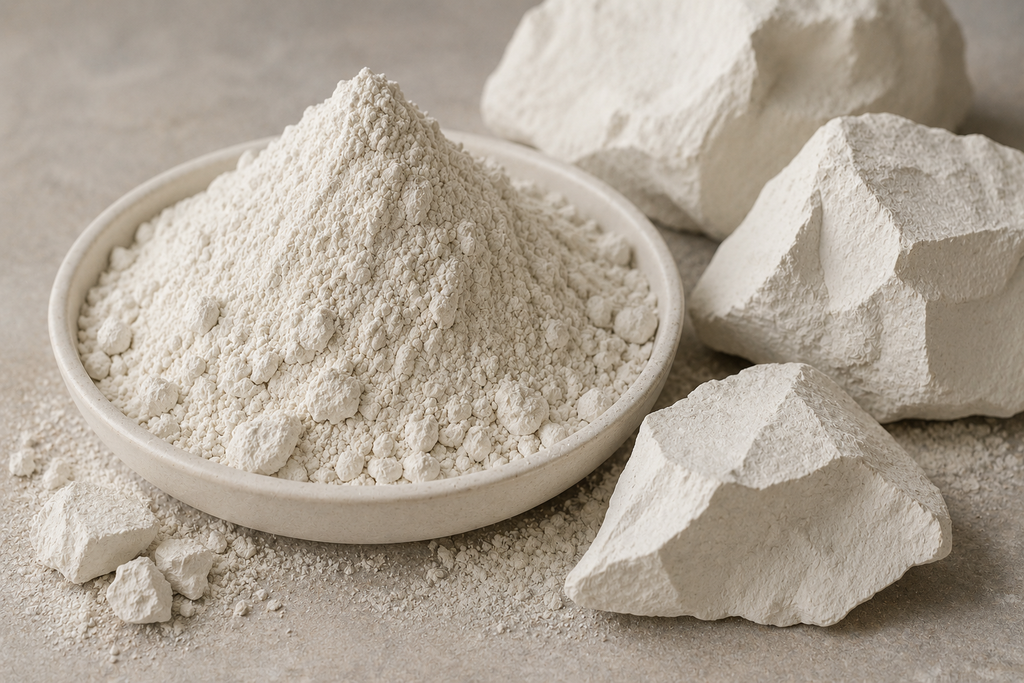
It is also known as China clay. Kaolin clay is one of most pure and widely used clays. The main component is hydrated aluminium silicate, and it has fine white particles. Kaolin’s brightness and smooth texture makes it highly valuable in the manufacture of porcelain, paper, cosmetics and pharmaceuticals.
It is less plastic than other clays but because of its purity, it’s perfect for finishing products with a white clean finish. To remove impurities, and to maintain the quality of kaolin, manufacturers process it through controlled drying and filtration. Kaolin is used in skincare products to absorb excess oil. It does not harm sensitive skin. It is also used by pharmaceutical companies as a binding agent for tablets and other medical products.
2. Ball Clay
It is known for having excellent binding and plasticity properties. The organic material in ball clay causes it to appear dark. Ball clay, which is very workable and is widely used for ceramics, bricks, and tiles, is often made from ball clay.
It shrinks a lot during the drying process, which is why manufacturers mix this clay with other clays or kaolin to increase strength and flexibility. They also reduce cracking. It is essential for industrial production because ball clay increases the workability and durability of ceramics. For large-scale production, modern processing techniques help to maintain consistency and quality.
3. Bentonite Clay
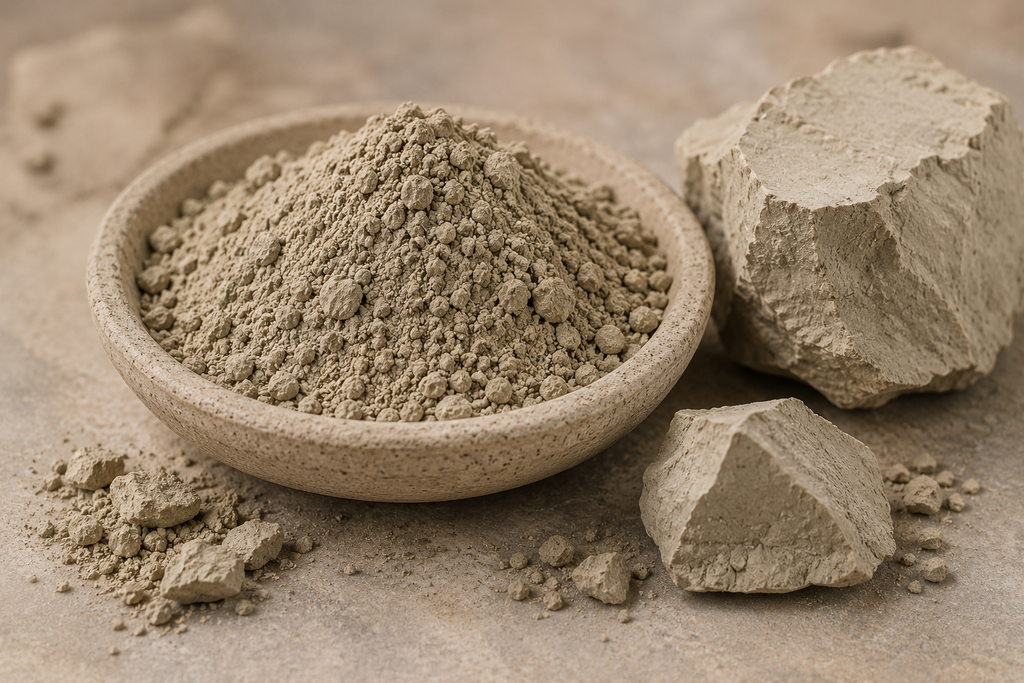
Bentonite is a volcanic mud with high swelling and absorption capacity. Montmorillonite is a mineral that expands with water.
Bentonite is used by engineers to protect underground water and create barriers that are impermeable in landfills. It is widely used to protect soil and groundwater from toxic chemicals.
4. Fire Clay
This material has a high resistance to temperature. High silica and alumina content give the material refractory qualities. Material can retain its structure and strength even at high temperatures. A vital material for heavy industry.
Industrial reactors are made of fire clay. Due to its excellent thermal shock resistant, it can work at temperatures up to 1500degC. During the manufacturing process, fire clay is tested and ground to ensure consistency and durability..
5. Stoneware clay
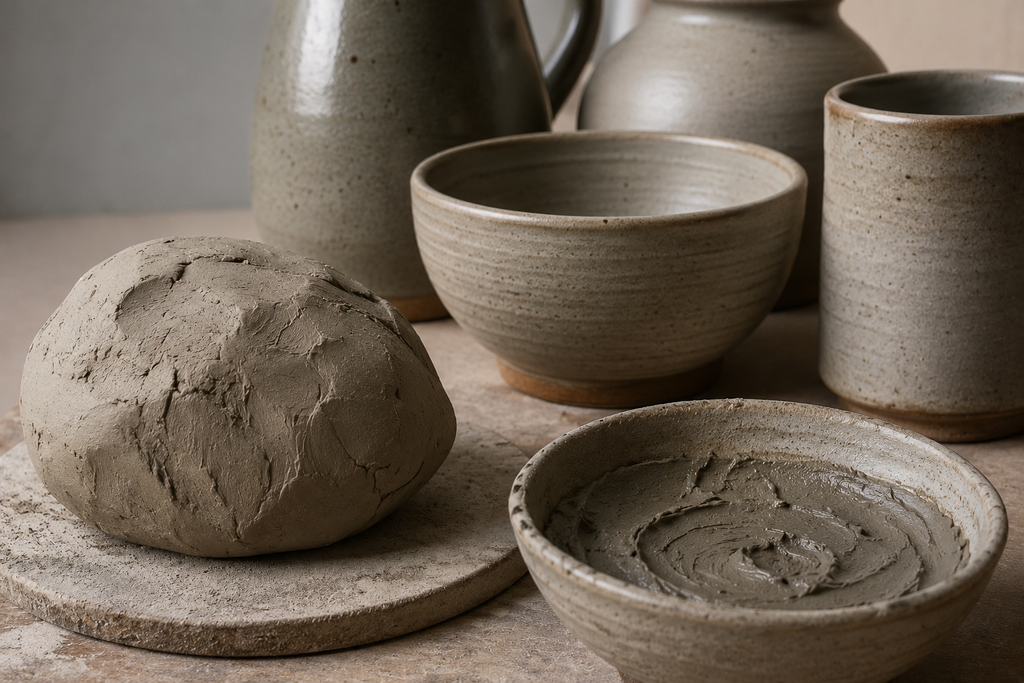
The strength, durability, and density of stoneware clay are well-known. It becomes vitrified when fired at very high temperatures. This means that it has a surface similar to glass and is resistant to water. Stoneware is therefore ideal for household as well as industrial purposes.
Stoneware is often used by potters to make durable ceramics such as plates, cups, and decorative ceramics. These can be passed down through generations. Stoneware is also used by industrial manufacturers for storage containers of chemicals because it resists corrosion and chemicals. Stoneware can appear in natural shades of brown, gray or tan depending on the minerals that are present.
6. Lateritic Clay
It is highly flexible and has excellent structural properties. This clay is suitable for construction and architecture.
Lateritic clay and other heavy construction materials are used by builders. The natural durability of Lateritic Clay helps to protect building from environmental stress. Companies that mine lateritic ensure consistency and strength by carefully processing and excavating it.
Modern industries use clay
Many industries use clay. Both lateritic clay and ball-clay are popular in drainage pipes and roof tiles. Both Bentonite (kaolin) and bentonite are widely used in cosmetics and medicines. These absorb oil and dirt.
In industries that use high-temperature machinery, fire clay is a good option. Stoneware clay can be used to make durable industrial and household products.
What is the best clay to use?
Kaolin has a high purity and effectiveness in pharmaceuticals and cosmetics. It is an excellent choice of construction material for building or structural projects. Bentonite is also used in the manufacture of sealants.
Discover Quality Clay Solutions
Shree Kaolin can be a good place to go if you are looking for high-quality clay, or if you want expert advice. They can provide you with the right solution to meet your requirements.
Conclusion
Knowing the types of clay available can help artists, builders and other industries choose the best material for their projects. Every type of clay has unique characteristics, like plasticity and heat resistance. Clays can be durable, absorbent as well as resistant to heat. The clay is used in a wide range of products, including cosmetics and ceramics as well as everyday items and environmental protection.

